
Bench Notes highlights the tools that earn a place on my desk, in my bag, or on my workbench: the ones I use, the ones I like, and occasionally, the ones I don’t.
My quest to find a daily-carry retractable fountain pen has (maybe) come to an end.
For a few years now, I have been on the search for a retractable nib pen for taking quick and frequent notes.
My only gripe with using fountain pens for short notes is the constant uncapping. This can be an easy friction-fit cap or a more annoying screw-fit cap. Either way, it gets old really fast. Some pens also don’t behave well with the constant uncapping and can sometimes burp ink.
That’s where the Majohn A1 comes into play.
Majohn A1
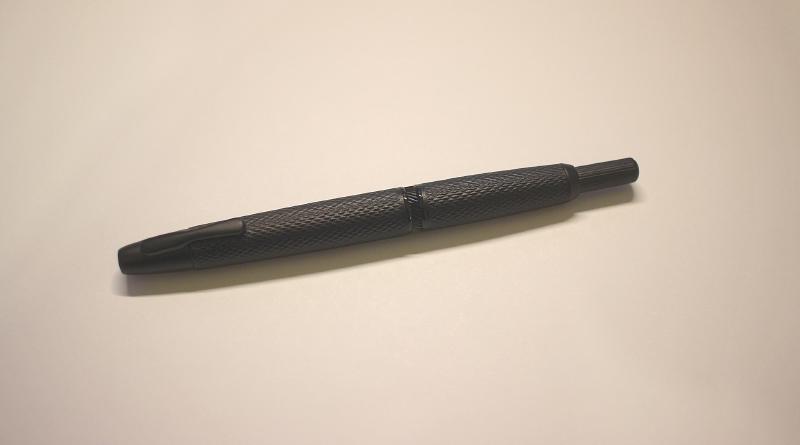
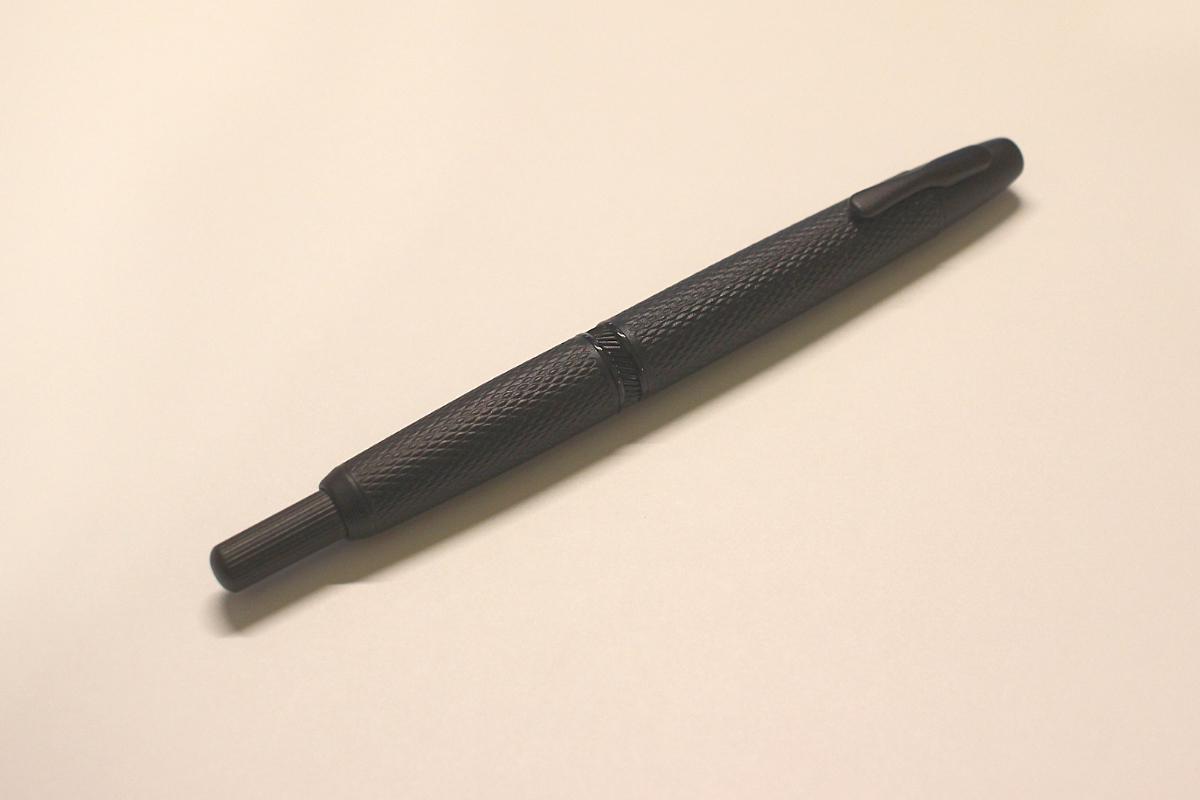
The Majohn A1 is a very popular Chinese-made retractable fountain pen (it also goes by the name Moonman A1). Its popularity is almost entirely tied to its affordability. I purchased mine on AliExpress for a whopping $6.
The Majohn A1 pen, among a few others, is almost entirely a copycat of the more expensive Pilot Vanishing Point, an even more popular retractable gold-nibbed fountain pen. Except the Pilot’s popularity is tied to quality. It’s also over $200. The Majohn A1 can be had for a fraction of that cost.
These retractable fountain pens require a strong seal to keep the nib from drying out. Even a little dryness can impact the pen quite a bit and completely undermine its biggest selling point: convenience.
Why This Pen?
For a few years now, I’ve been looking for a fountain pen for taking quick, short notes. As a designer, I’m constantly writing down dimensions, color codes, measurements, and random ideas. Sure, a pencil or ballpoint would work just fine, but where’s the fun in that?
I also don’t have Pilot Vanishing Point money, so I’ve been looking at alternatives.
Alternatives to the Vanishing Point
There’s another Chinese brand making retractable fountain pens: Jinhao. They offer the Jinhao 10 and Jinhao 20, metal and plastic versions of the same concept. In my opinion, they’re the closest thing to a Pilot Vanishing Point, and the overall build quality is actually pretty nice, similar to the Majohn.
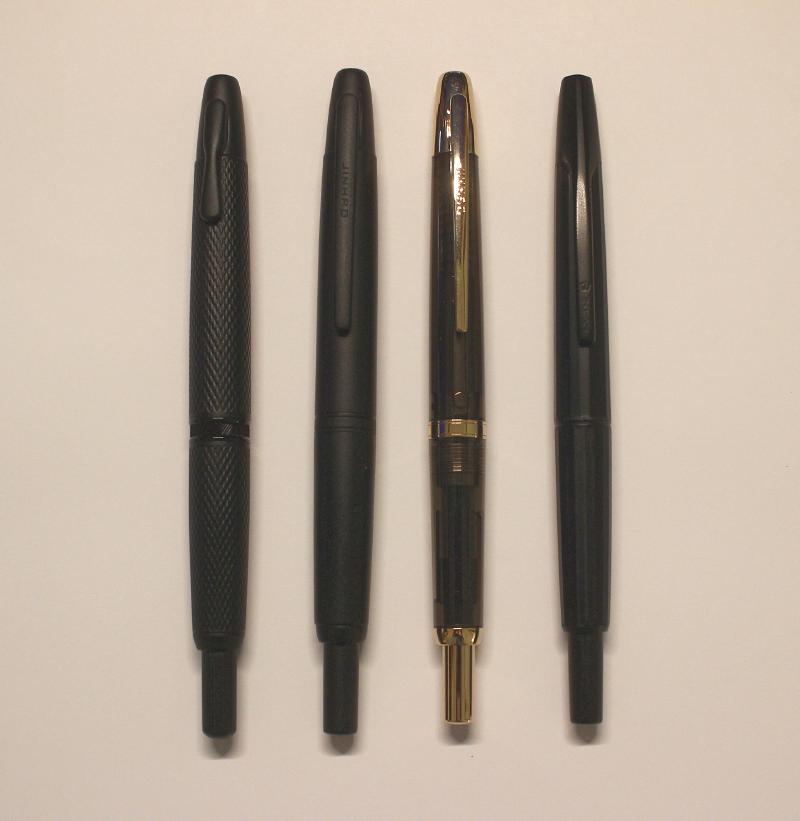
Unfortunately, I’ve now tried four different Jinhao 10/20s, and every one of them had issues with the nib drying out. I think I got one to behave as long as I used it every day. But if it sat untouched for more than a day, it took some work to get writing again. That’s not convenient at all.
Common Issues
The pen relies on a trap-door mechanism that opens when the nib extends. When the nib retracts, that trap door is supposed to seal the inside of the barrel. If the seal isn’t perfect, you’re in for a rough time.
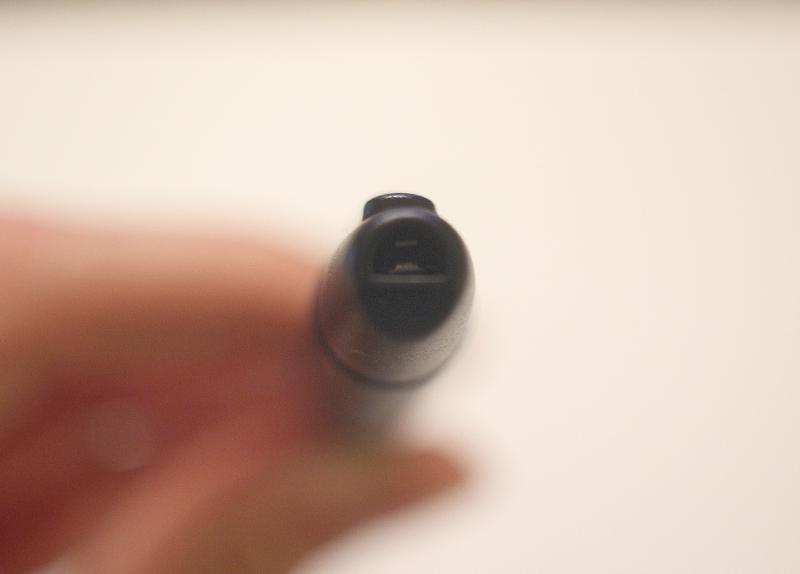
The ink dries out on the nib, leading to hard starts and inconsistent lines. Or, in my case with the Jinhaos, the pen might not write at all. Usually it needed a rinse in water or a wipe on a cloth, not something I want to do every single time I pick up a pen.
The $200+ price tag of the Pilot starts making a lot more sense. Besides the nicer materials and 18K gold nib, there’s clearly some real quality control behind it. I’ve never heard anyone complain about a Pilot Vanishing Point drying out.
After reading plenty of reviews online, it turns out it’s a complete crapshoot whether your copy cat pen seals properly. Some people get one that works perfectly. Others, like me, get complete duds.
I was done taking chances.
One More Chance
Well… actually, I decided to take one more chance.
I knew the Majohn A1 was the other alternative. At the time I was looking, prices were usually closer to $40. They’re also harder to find in the U.S. than the Jinhaos seem to be.
So I rolled the dice on AliExpress, which is another bit of a crapshoot when it comes to actually receiving what you ordered.
Luckily, this time, it worked out.
Nib + Writing Experience
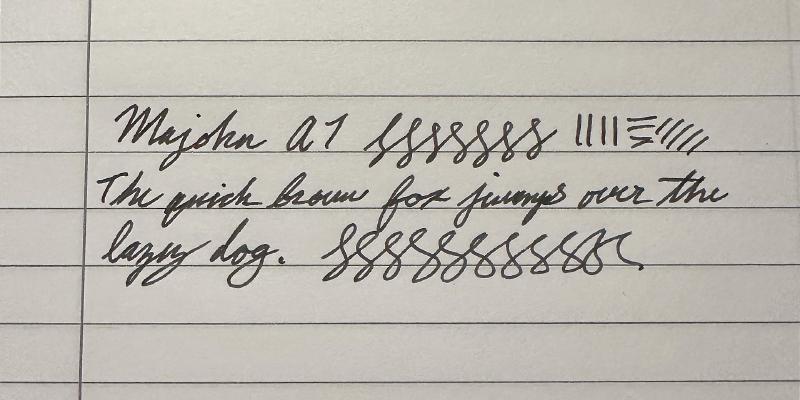
For ink, I chose to use Pilot Iroshizuku Take-Sumi. A solid, deep charcoal black that is great for daily writing. I consider it my work-horse of ink.
So far, the writing experience has been quite nice. The nib is pretty stiff, with almost no flex, as expected. There’s just a little bit of feedback on certain papers, which I’m honestly okay with. Otherwise, it glides pretty well across the page.
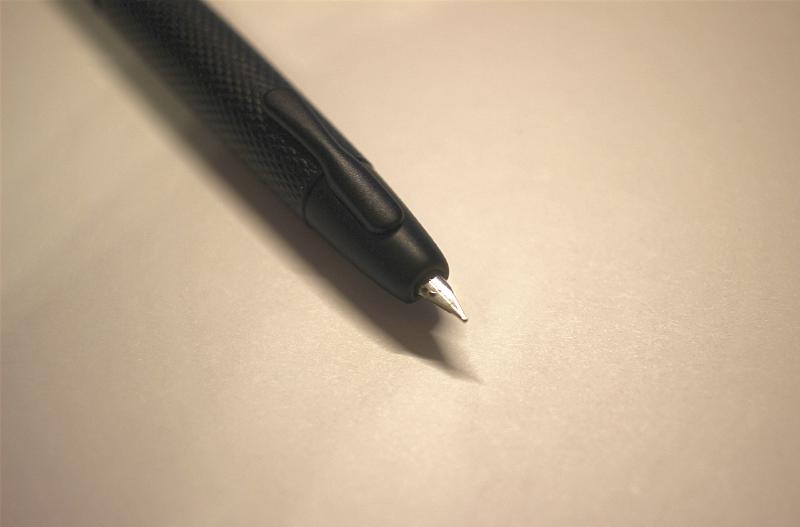
I ordered a fine nib but received an extra fine. That actually seemed pretty common based on the reviews for the store, so I wasn’t too surprised. Honestly, I’m okay with it because this “extra fine” writes more like a medium.
As far as I can tell, there’s no tuning needed. It just lays down a lot of ink. Similar to a Lamy, where an extra fine is really more like a fine. Except this pen is closer to some of the medium nibs I own.
I tested it on Tomoe River paper, Rhodia paper, Plotter paper, Leuchtturm1917 120gsm, and HP Premium 32. Oddly enough, I didn’t love how it wrote on the HP paper, which is usually great with just about every fountain pen and ink I own. Everything else was solid. No complaints, but nothing particularly remarkable either.
The clicking mechanism has a fairly long throw with just a little clunkiness, but otherwise it’s fine. It feels like the nib unit catches on something inside the pen while extending. It doesn’t stop the mechanism, but you can definitely feel it.
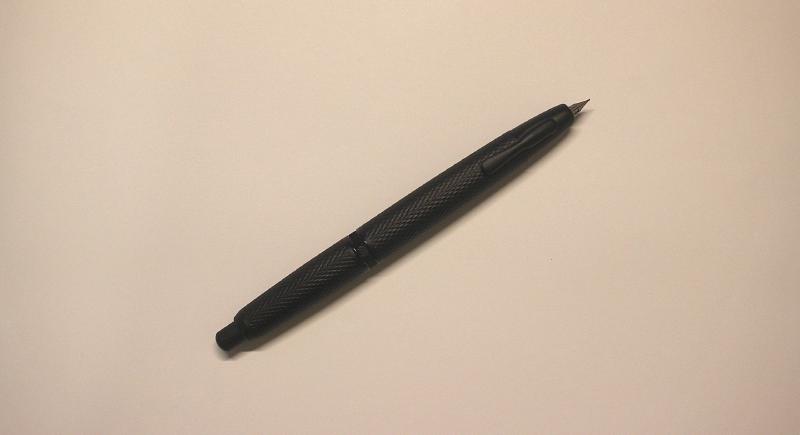
The body has a matte fish-scale texture that provides a nice amount of grip, and the overall thickness feels comfortable in my hands. The shortened clip is a nice touch. I never clip my pens to anything anyway, so it ends up serving as a comfortable place for my finger to rest while also keeping the pen from rolling off the desk.
Where Does it Fit in my Lineup?
Like I said, this pen sits at my desk as my go-to note-taking pen.
I also don’t mind taking it with me when I leave the apartment. If something happens to it or if I lose it, oh well, I’m out $6 instead of $200.
Conclusion
Overall, it’s been a solid performer so far. I haven’t seen any of the issues that plagued the Jinhao pens. I also haven’t let it sit unused for more than a day yet, so this entire review could change over time. That said, I think I’d already be seeing signs of trouble if it were going to have the same sealing problems.
When you can buy one for a few dollars instead of a few hundred, it’s hard not to recommend it. So far it’s a great writer, and it does exactly what I wanted it to do.
Just know that the quality of these pens can still be a bit of a crapshoot. Maybe I got lucky. Maybe the Majohn A1 is simply the better Vanishing Point clone.